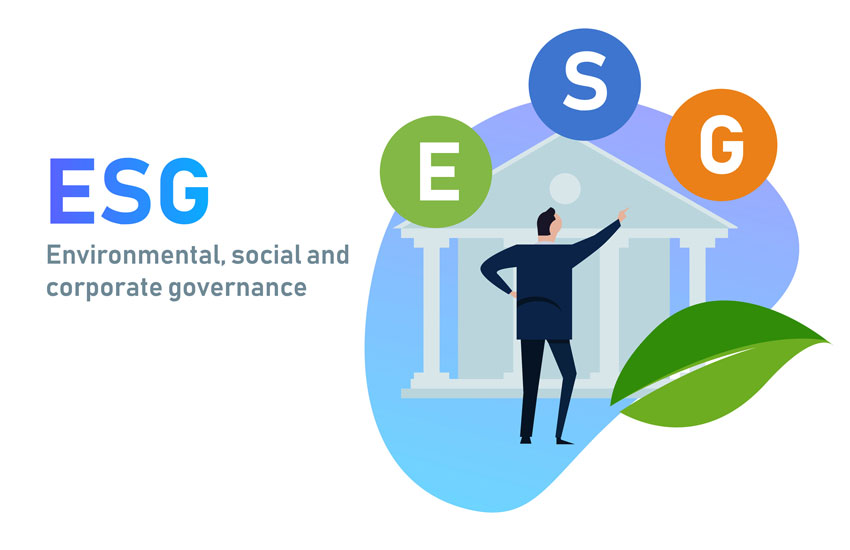
In recent years, the term ESG has moved from niche financial discussions into the mainstream of business strategy. Short for Environmental, Social, and Governance, ESG represents a framework used to evaluate how a company operates beyond traditional financial performance. It reflects a growing expectation that businesses should not only generate profit, but also contribute positively to society and manage their impacts responsibly.
What is ESG?
ESG is a set of criteria used to assess a company’s ethical impact and sustainability practices across three key areas:
Environmental considerations focus on how a company interacts with the natural world. This includes energy use, carbon emissions, waste management, water usage, and the protection of ecosystems.
Social factors examine how a company manages relationships with employees, customers, suppliers, and communities. This can include labor practices, health and safety, diversity and inclusion, and community engagement.
Governance relates to how a company is directed and controlled. It covers leadership structure, executive compensation, transparency, compliance, and shareholder rights.
Together, these pillars provide a more holistic view of a company’s long-term resilience and responsibility.
Why ESG Matters
Historically, business success was measured primarily through financial metrics. Today, that perspective is shifting. Investors, regulators, customers, and employees are increasingly paying attention to how companies behave—not just what they earn.
Strong ESG performance can:
- Reduce operational and regulatory risks
- Improve access to capital and investor confidence
- Strengthen brand reputation and customer loyalty
- Attract and retain talent
- Enhance long-term business resilience
Conversely, poor ESG practices can expose companies to reputational damage, legal challenges, and financial losses.
ESG as a Strategic Framework
ESG frameworks are becoming a core part of the corporate strategy, moving from its historical view as a compliance or reporting framework. Companies integrate ESG into their sustainability and ethical considerations, becoming a key decision-making processes across all levels of the organization.
This can involve:
- Setting measurable environmental targets (e.g., emissions reduction)
- Establishing fair labor and supply chain practices
- Strengthening governance structures and accountability mechanisms
- Improving transparency through regular ESG reporting
Rather than being a standalone initiative, ESG works best when it is aligned with business objectives and integrated into daily operations.
ESG and Long-Term Value Creation
One of the key ideas behind ESG is that sustainable and responsible companies are better positioned for long-term success. Responsible companies proactively manage environmental risks, foster positive social relationships, and maintain strong governance. ESG principles allow businesses to create durable value for both shareholders and society.
This shift reflects a broader transition from short-term profit maximization to long-term value creation. Companies that embrace ESG are often more adaptable, innovative, and prepared for future challenges such as climate change, resource scarcity, and evolving regulatory landscapes.
Getting Started with ESG
For organizations beginning their ESG journey, the first steps typically include:
- Assessing current impacts and risks across ESG areas
- Identifying material issues (what matters most to the business and stakeholders)
- Setting clear goals and performance indicators
- Establishing governance and accountability structures
- Communicating progress transparently
It’s important to recognize that ESG is not a one-size-fits-all model. Each company’s approach will depend on its industry, geography, and scale.
Conclusion
ESG is reshaping how companies define success. It challenges businesses to think beyond profit and consider their broader role in society and the environment. While adopting ESG principles requires commitment and change, it also offers an opportunity to build stronger, more resilient, and more responsible organizations.
As expectations continue to evolve, ESG is no longer optional—it is becoming a fundamental part of doing business in a rapidly changing world.
 The Environment Consultant