While climate change presents significant risks, it also creates opportunities for organisations to enhance resilience, capture new markets, and improve long-term financial performance. These opportunities arise from the growing demand for low-carbon products and services, technological innovation, efficiency improvements, and proactive responses to regulatory and market shifts.
Type of opportunities
The Task Force on Climate-related Financial Disclosures (TCFD) recognises that climate change presents opportunities alongside risks, and classify them into five broad areas: products and services, resource efficiency, markets, resilience, and energy source.
Products and Services
Developing low-emission products and services enables organisations to respond to evolving customer preferences, differentiate their offerings, and create competitive advantage. Opportunities arise across consumer sectors, where buyers increasingly consider the carbon footprint of goods such as food, beverages, apparel, mobility services, and travel.
In industrial and producer markets, integrating energy-efficient processes and low-emission materials throughout the supply chain can enhance competitiveness and reduce operational costs. Innovation in products and services not only opens new revenue streams but also positions organisations to meet regulatory requirements and market demand for sustainability.
Resource Efficiency
Enhancing the efficiency of operations offers organisations both cost savings and environmental benefits. Improvements can span energy consumption, water use, material management, waste reduction, and transport efficiency, producing measurable reductions in operating costs over the medium to long term.
Technological innovation is a key driver, including advances in industrial motor systems, LED lighting, building retrofits, geothermal heating, and circular economy solutions.
The adoption of electric vehicles and improved water treatment technologies further illustrates how operational efficiency can simultaneously reduce emissions and enhance financial performance, while aligning with global climate objectives.
Revenue and Market opportunities
Proactively entering new markets or engaging in climate-focused financial and infrastructure initiatives provides avenues for diversification and growth.
Organisations can access opportunities by collaborating with governments, development banks, community enterprises, and other stakeholders to support the transition to a low-carbon economy.
Investment in green infrastructure, such as low-emission energy systems, smart grids, transport networks, and energy-efficient buildings, can create financial returns while contributing to broader climate objectives. Similarly, underwriting or financing green bonds and sustainability-linked projects offers access to new capital flows and strengthens market positioning.
Resilience
Building organisational resilience allows companies to adapt to both physical and transition-related climate challenges while capitalising on associated opportunities. Resilience is particularly valuable for organisations with long-lived assets, extensive distribution networks, or dependence on critical utilities and natural resources.
Energy Source
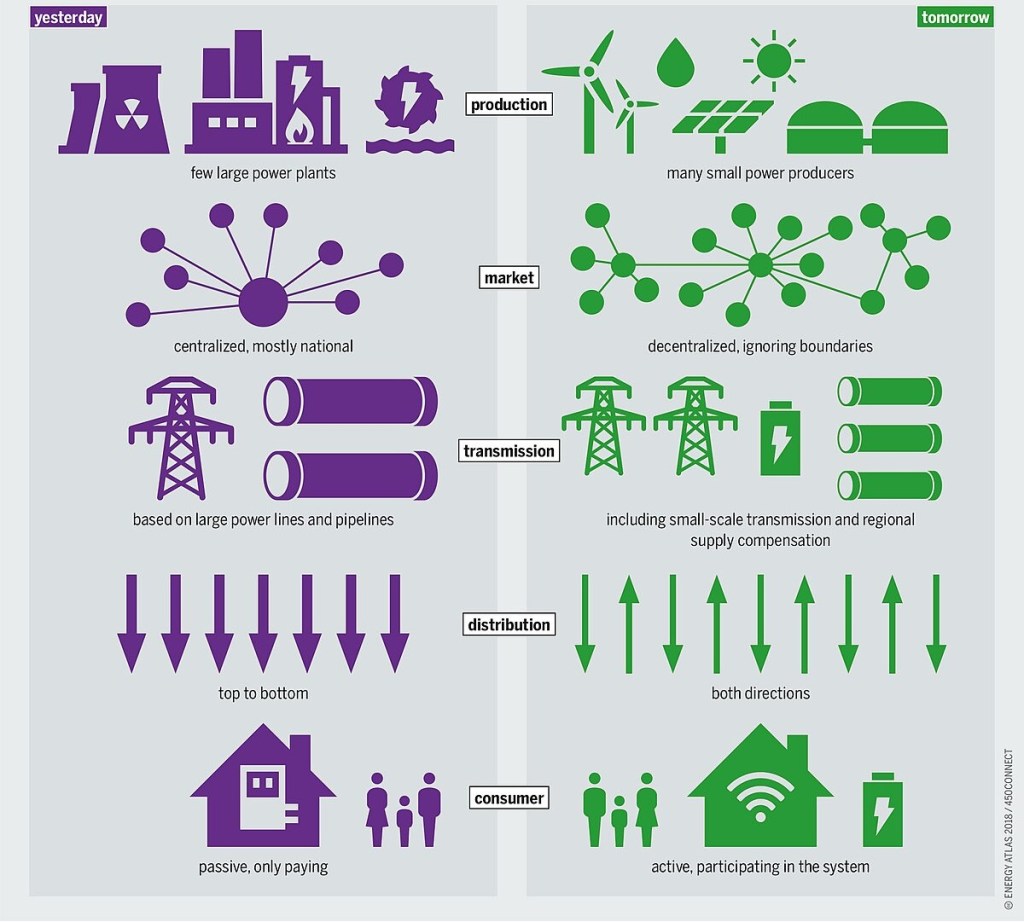
The global transition toward low-carbon energy presents significant opportunities for organisations to reduce costs and manage exposure to energy price volatility. Low-emission energy options including wind, solar, tidal, hydro, geothermal, nuclear, biofuels, and carbon capture technologies are being deployed at increasing scale, supported by falling costs and advances in energy storage and grid infrastructure.
Organisations that shift toward renewable or decentralized energy sources can benefit from long-term reductions in energy expenditures, improved energy security, and alignment with emerging regulatory and market expectations for sustainable energy use.
 The Environment Consultant