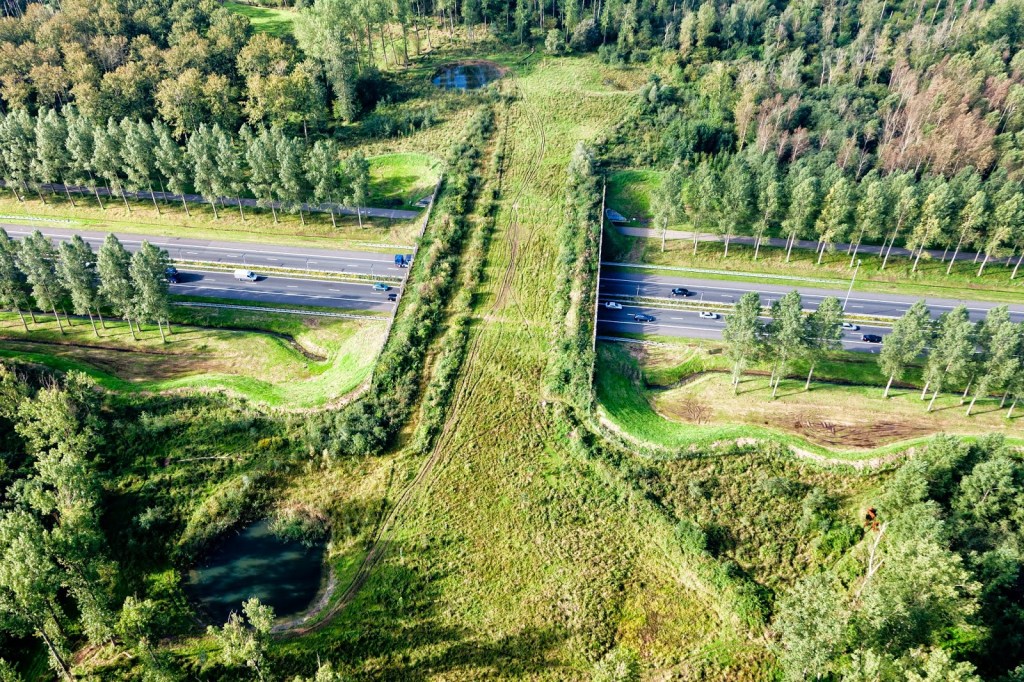
Habitat fragmentation is a primary driver of biodiversity loss, isolating populations and reducing gene flow. Roads, urban expansion, agriculture, and other human activities create barriers that hinder species movement, leading to population declines and increased vulnerability to environmental stressors.
Wildlife corridors, designed to connect fragmented habitats, provide safe passages that enable movement, migration, foraging, and dispersal. These corridors are essential for maintaining ecological connectivity and supporting the long-term viability of populations across landscapes.
Connectivity in Fragmented Landscapes
Effective wildlife corridors require careful consideration of ecological, topographical, and behavioral factors. Corridor width, length, vegetation structure, and habitat composition influence the ability of species to move safely. Corridors should mimic natural habitats as closely as possible, providing cover, food resources, and microhabitats suitable for target species.
Additionally, landscape permeability, edge effects, and proximity to anthropogenic hazards must be assessed to minimize risks. Designing corridors based on species-specific requirements increases the likelihood of successful movement and reduces mortality caused by human infrastructure.
Urban Landscaping with Native Trees
Urban landscaping choices can unintentionally harm local biodiversity. In Saudi Arabia, for example, native Vachellia species (formerly known as Acacia) are a defining feature of the natural landscape. These trees are characteristically thorny as an adaptation to arid conditions, and they play a crucial ecological role.
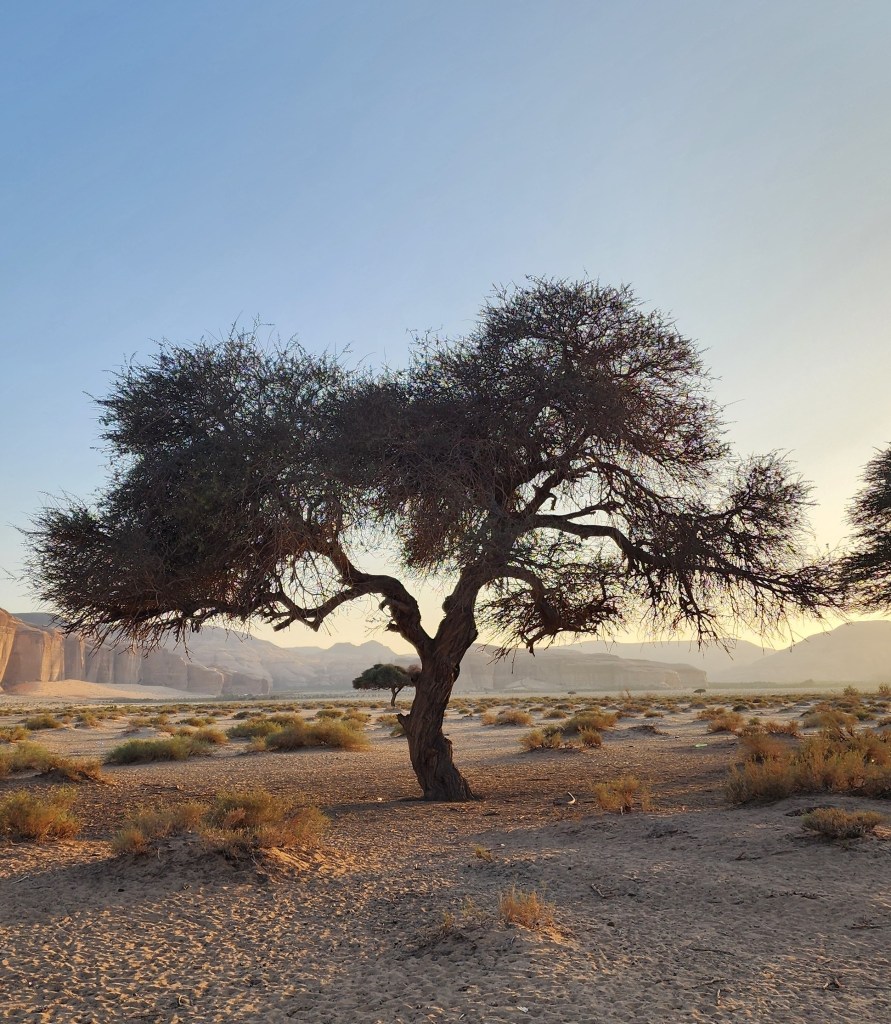
Many native birds, such as the Arabian wheatear (Oenanthe lugentoides) and the Arabian warbler (Curruca leucomelaena), are highly adapted to these trees. Their small size and agile movements allow them to navigate among the dense thorns, using the branches as safe nesting sites and shelter from predators and aggressive invasive birds.
However, in urban and suburban environments, landscaping trends have largely shifted toward non-native tree species chosen for their aesthetic appearance, fast growth, or shade value. These imported trees often lack the structural complexity and protective features of native Vachellias. As a result, the native birds that depend on thorny trees for safety and breeding are left without suitable habitat.
In contrast, opportunistic and invasive species such as House Sparrows (Passer domesticus) and Common Mynas (Acridotheres tristis) thrive in these altered environments, further displacing native birds and contributing to their decline.
This dynamic highlights an important lesson for urban planning and landscape design: the choice of tree species is not merely an aesthetic decision – it directly influences local biodiversity. Strategic planting of native flora ensures that urban ecosystems support native fauna, preserving ecological relationships and integrity.
Linking Urban Areas to Natural Habitats
Urban areas are often adjacent to natural habitats, such as forests, rivers, natural escarpment, or mountainous regions that harbor endemic species. Wildlife corridors that connect public green spaces and urban parks to these natural areas are crucial for wildlife.
Corridors incorporating vegetated strips, safe underpasses beneath roads, and riparian buffers allow these species to move between foraging grounds, breeding sites, and seasonal habitats.
In urban areas like Riyadh in Saudi Arabia, these corridors maintain connectivity to escarpments and the desert, enabling populations of small and medium-size mammals such as desert hedgehogs (Paraechinus aethiopicus) and Arabian red foxes (Vulpes vulpes arabica) to access resources that are not available within urban confines.
Ecological corridors are also important elements to reduce mortality caused by road traffic and human disturbances, enhancing ecological resilience and contributing to the preservation of regional biodiversity across fragmented landscapes.
Long-Term Ecological Impacts
Well-designed wildlife corridors enhance genetic diversity, population resilience, and ecosystem stability. These corridors facilitate species dispersal and migration, reducing the risk of local extinctions, supporting recolonization of degraded areas, and allowing species to adapt to climate change. Additionally, corridors contribute to the maintenance of ecosystem services, including seed dispersal, pollination, and nutrient cycling.
 The Environment Consultant