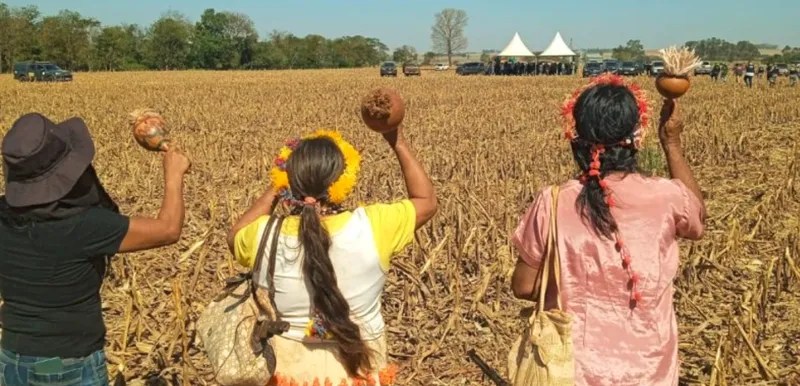
Social Impact Assessments (SIAs) evaluate how a proposed project, policy, or development will affect the social fabric of a community, including aspects such as health, livelihoods, education, culture, social relationships, and well-being. It helps to identify potential positive and negative social impacts and suggests ways to mitigate any harmful effects on communities.
Imagine a mining company wants to build a gold mine in a rural area, where local communities depend on agriculture and fishing for their livelihoods. This area is also home to Indigenous people who have lived there for generations and have strong cultural ties to the land.
Steps of the SIA application:
1. Identifying the Social Context:
The first step is to gather information about the local community. This includes demographics, cultural practices, livelihood activities, health statistics, and any existing social infrastructure (schools, health clinics, roads).
In this example, the community consists of about 500 families, mostly farmers and fishermen. There are also a number of Indigenous people who hold traditional knowledge about the land. The area has limited access to healthcare and educational services, and local roads are poorly developed.
2. Identifying social impacts of the gold mine project:
The SIA identifies the possible social impacts of the mine on the community, which could include:
- Positive impacts:
- Job creation: The mine will provide employment opportunities for local residents, which could improve household income and reduce poverty.
- Infrastructure development: New roads, electricity, and water supply systems could improve the quality of life in the region.
- Skills development: Local workers might receive training that could be beneficial in the long term, even after the mine’s closure.
- Negative impacts:
- Displacement of communities: Some families, particularly those living near the mine site, may need to be relocated, disrupting their homes and livelihoods.
- Cultural disruption: Indigenous communities might face threats to their traditional way of life, especially if sacred land is disturbed or if there are changes in local customs and practices.
- Health risks: The mine could introduce health hazards due to air or water pollution, affecting people’s well-being, particularly vulnerable groups such as children and the elderly.
- Social tensions: The influx of workers from outside the area could cause social tensions, as there may be competition for resources, housing, and jobs.
3. Stakeholder engagement:
The SIA includes engaging with local stakeholders such as community leaders, residents, indigenous groups, and local government representatives. This helps gather their views, concerns, and suggestions on the proposed project.
During consultations (open town or district meetings), local farmers express concern about water usage and potential contamination affecting their crops. Indigenous leaders request more information about how their sacred sites might be impacted by mining activities.
4. Assessment of social vulnerabilities and resilience:
The SIA looks at which groups might be more vulnerable to the social impacts and which groups might be more resilient.
For example, indigenous people, who have a strong cultural connection to the land, may be more vulnerable to the changes caused by the mine, including the loss of their cultural heritage. Women in the community, particularly those involved in agriculture and caregiving, may also be more vulnerable if their roles or access to resources are disrupted.
5. Mitigation Measures:
Based on the findings, the SIA recommends mitigation measures to reduce negative impacts and enhance positive ones. These might include:
- Relocation Assistance: If communities need to be displaced, the company could offer fair compensation, help with relocation, and support for re-establishing livelihoods in new areas.
- Cultural preservation: Establishing programs to help preserve Indigenous cultural practices and sacred sites, such as land management agreements and cultural heritage protection plans.
- Health and safety programs: Offering health monitoring, air and water quality control, and providing healthcare access to ensure residents are protected from mining-related pollution.
- Training and employment: Ensuring that local people are trained and prioritized for jobs at the mine to maximize the benefits of employment and reduce social tensions.
6. Social monitoring and follow-up:
After the project is approved, the SIA might include a system for ongoing monitoring to ensure that social impacts are being managed and that mitigation measures are being effectively implemented. For example, the mining company could set up a community liaison office to address grievances and monitor the effectiveness of compensation programs and health services.
Outcome of the SIA:
The final SIA report would summarize the findings about the social impacts of the gold mine project and outline the mitigation measures. It would inform decision-makers about how the project could affect the local community and suggest ways to minimize harm and maximize benefits.
The government may approve the mine but with conditions, such as ensuring that the company provides adequate compensation to displaced families, sets up local healthcare clinics, and protects Indigenous cultural sites.
In Summary:
A Social Impact Assessment in this example helps to evaluate how a large development project like a gold mine will affect the social well-being of local communities. The assessment looks at potential disruptions to people’s livelihoods, health, culture, and social relationships, and it provides a framework for mitigating negative social impacts while enhancing positive ones. This process ensures that community members’ voices are heard and their well-being is considered in the planning and execution of large-scale projects.
Want to learn more? Check these resources:
SIA for Kalgoorlie Consolidated Gold Mines
A review of the Oyu Tolgoi Copper/Gold Mine ESIA – questioning the accuracy of the assessment.
 The Environment Consultant