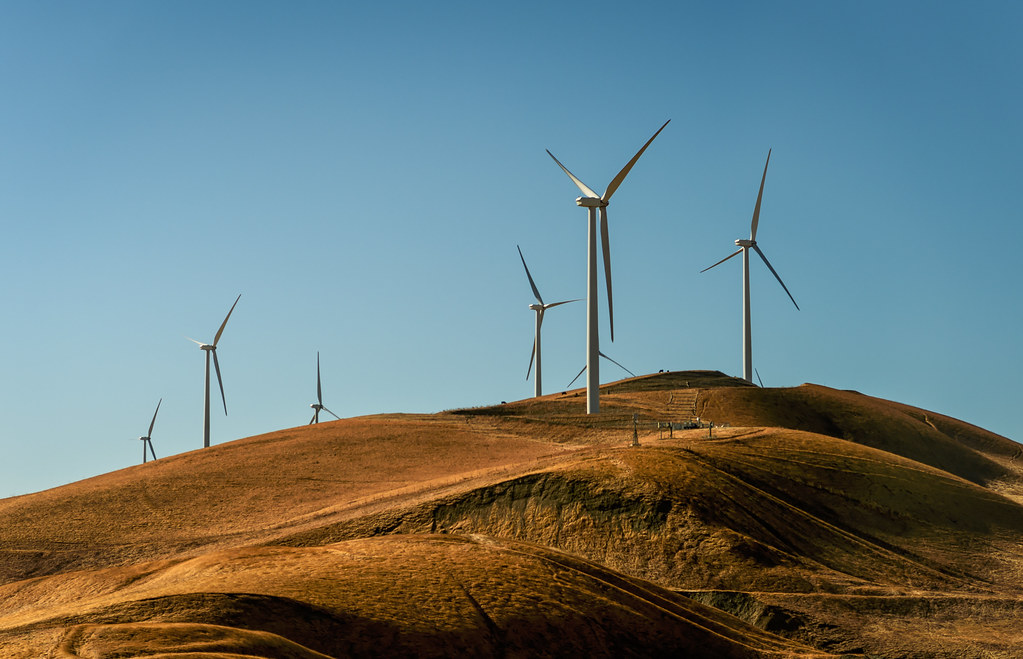
Wind farms in California
A Landscape Visual Impact Assessment (LVIA) is a process within the ESIA used to assess the potential visual impacts that a proposed development, project, or plan may have on the surrounding landscape. The primary goal of LVIA is to evaluate how a new development or intervention could alter the appearance of a landscape, considering factors such as its visual character, scenic quality, and the experience of people who use or view the area. LVIA is an essential component of the overall environmental assessment process, often undertaken to ensure that developments integrate sensitively into their surrounding environments.
Purpose
The purpose of LVIA is to provide an objective analysis of the potential visual consequences of a proposed project. This assessment helps decision-makers, stakeholders, and the public understand how a development might change the visual quality of the landscape. By identifying potential visual impacts, LVIA supports the design of mitigation strategies aimed at minimizing negative effects. Ultimately, the goal is to strike a balance between development needs and landscape protection, ensuring that projects do not unduly harm the visual amenity of an area while allowing for necessary growth and progress.
Key Components of LVIA
An LVIA typically involves several key components:
Identification of the study area – This involves determining the geographic area that could be affected by the proposed development, including the viewsheds from which the landscape will be visible.
Landscape character assessment – In this step, the existing landscape is characterized in terms of its visual qualities, including its landforms, vegetation, cultural features, and historical elements.
Visual baseline – A visual baseline is established by documenting the current visual conditions of the area. This includes photographing key viewpoints, understanding the landscape’s visual sensitivity, and assessing the existing impact of nearby developments.
Assessment of impacts – The visual impact is evaluated by considering the nature, scale, and significance of the proposed development on the landscape. This includes determining how the development will alter the visual composition of the area, its visibility from different locations, and any changes to the aesthetic or experiential qualities of the landscape.
Mitigation measures – If significant visual impacts are identified, mitigation measures are proposed. These may include design changes, landscaping, screening, or other interventions to reduce the visual intrusion of the development.
Residual impacts – After implementing mitigation measures, any remaining visual impacts are assessed to determine their acceptability or whether further modifications are needed.
A LVIA evaluates the potential effects of a proposed development or project on the landscape and how the visual environment will change as a result. It helps determine how the landscape, views, and visual qualities of an area will be altered and what impacts those changes may have on people and the environment.
Example of LVIA Application
Imagine a wind farm is being proposed for construction in a scenic, rural area with rolling hills and a small community. This area is known for its natural beauty and is a popular spot for hiking, photography, and tourism.
Process overview
Expert consultants will assess the landscape visual impact as follow:
Initial Project Description: The project proposal includes the construction of tall wind turbines across several hills. The turbines will be visible from a variety of points within the landscape, including a nearby village, popular hiking routes, and tourist viewpoints.
Assessing the Landscape Impact: The LVIA would first evaluate the landscape character—the overall visual appearance of the area, including topography, vegetation, and any notable features (such as rivers or ancient trees). The LVIA would look at how the wind turbines might change the appearance of the landscape.
The assessment might find that the turbines could be seen from the hilltops and valleys, potentially altering the natural, unspoiled character of the area. The rural, peaceful landscape could appear more industrial due to the mechanical structures.
Assessing Visual Impact: Next, the LVIA would assess the visual impact of the wind turbines from specific viewpoints, such as the hiking trails, the village, and scenic viewpoints where tourists typically stop to take photos.
LVIA experts might find that from certain viewpoints, the turbines would become a dominant feature in the visual landscape, contrasting with the natural scenery. People hiking along trails could experience the turbines as an unexpected and intrusive feature, or could find them as an appealing symbol of sustainable progress.
Visual Sensitivity: The LVIA would also assess the visual sensitivity of different groups, such as local residents, hikers, or tourists. For example, the residents of the nearby village might be more sensitive to changes in the landscape compared to visitors who expect to see modern structures like wind turbines in scenic areas.
Local residents may feel that the turbines are too intrusive and disrupt the rural, peaceful atmosphere they value. Tourists, however, may not mind the turbines and may even appreciate the renewable energy aspect.
Mitigation Measures: If the LVIA identifies significant adverse visual impacts, it would recommend mitigation measures to reduce or offset the negative effects. This could include:
- Relocating turbines to less sensitive areas.
- Using color schemes or materials that blend better with the surroundings.
- Planting vegetation or trees around the wind farm to block views from key viewpoints.
Outcome: The final LVIA report would help the authorities or developers understand how the wind farm will affect the landscape and people’s views of the area. Based on the assessment, adjustments may be made to the design or placement of the turbines to reduce visual harm, or the development may be modified or rejected depending on the findings.
In summary:
In this example, the LVIA helps identify and assess how the construction of wind turbines would impact the visual character and aesthetic value of the landscape, considering how people experience these changes visually. It not only looks at the physical impact on the landscape but also at how these changes affect people’s enjoyment of the area and the overall visual quality of the environment.
In conclusion, LVIAs play a critical role in ensuring that new developments are compatible with their surrounding landscapes. It helps prevent unnecessary visual degradation and protect the intrinsic value of landscapes, which are often important not only for aesthetic reasons but also for cultural, ecological, and recreational purposes.
The process also supports sustainable development by enabling projects to be better integrated into their environments, reducing the risk of visual conflicts, and enhancing public acceptance of developments. Through careful assessment, LVIA helps developers identify the most suitable locations for projects, ensuring that they do not disrupt valuable landscapes or harm the visual experience of residents and visitors. It can also lead to more innovative, context-sensitive designs that enhance both the built environment and the surrounding natural setting.
 The Environment Consultant