Environmental and Social Impact Assessments (ESIA) may reveal that when companies acquire land for proposed projects, it can result in the displacement of communities or households, leading to the loss of shelter or livelihoods. International best practices, such as the International Finance Corporation’s Performance Standard 5 on Land Acquisition and Involuntary Resettlement, recommend that companies avoid involuntary resettlement whenever possible.
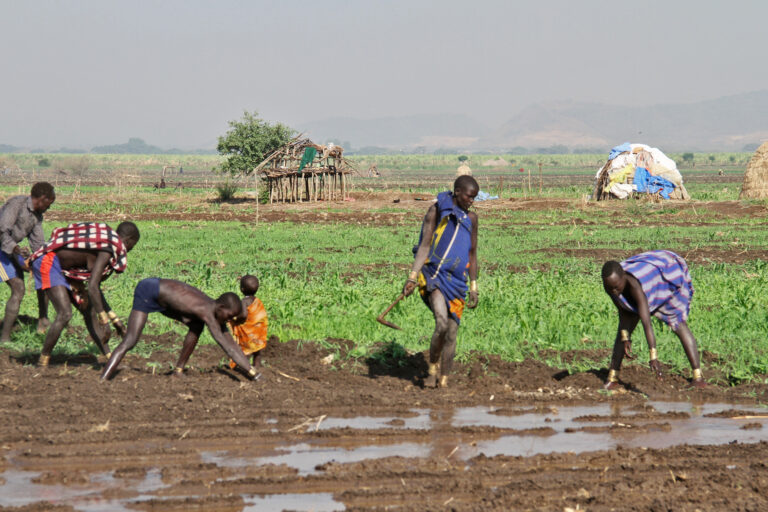
Indigenous communities are the most vulnerable to involuntary resettlement
Involuntary resettlement occurs when affected individuals or groups have no option to refuse the land acquisition and are forced to relocate. This can lead to long-term hardships, poverty, and social stress.
If displacement is unavoidable, it is important to minimize its impact through measures like fair compensation and improvements in living conditions. Therefore, a Resettlement Action Plan (RAP) should be developed and attached to the ESIA.
This Plan outlines how the social and economic impacts of displacement will be managed, and how affected communities will be compensated, resettled, and supported in restoring their livelihoods.
Below is an overview of the Resettlement Action Plan
1. Introduction and Project Description
The section provides an overview of the project, outlining the need for land acquisition and the extent of resettlement required.
It includes a description of the proposed project (e.g., gold mine, infrastructure development, industrial zone), the reasons for land acquisition and the necessity of resettlement, and an estimate of the number of people affected and the scale of displacement.
2. Legal and Institutional Framework
It outlines the legal framework with the laws and regulations that govern land acquisition, compensation, and resettlement in the country.
It also specifies policies applicable to the project, such as national resettlement laws and international guidelines. Additionally, it defines the roles and responsibilities of various stakeholders, including government agencies, the project developer, and affected communities.
3. Census and Socio-Economic Survey
It provides an accurate account of the affected populations, their economic activities, and livelihoods to ensure the RAP is tailored to their needs. It includes a census that quantifies the affected people, land, properties, and resources.
Additionally, it identifies vulnerable groups, such as women, children, the elderly, and people with disabilities, who may require extra support during the resettlement process.
4. Identification of Impacts
This section describes the impacts. For example, amount of loss agricultural, residential or communal land impacted by the project; loss of housing and infrastructure, affected structures, utilities, and facilities that people depend on.
It also addresses economic displacement, which involves the loss of livelihoods, income, and access to resources, and the social impacts, such as disruptions to social networks, cultural practices, and community ties.
5. Eligibility Criteria for Compensation
It defines the criteria for determining eligibility for compensation and resettlement assistance. It outlines that individuals holding legal titles to land, informal land users, tenants, and those with customary rights may all qualify for compensation.
The criteria should clearly specify who is eligible, how compensation will be calculated (e.g., market value for land, replacement cost for housing, and income restoration measures), and include non-land-based forms of compensation, such as livelihood support, social services, and job creation.
6. Compensation and Livelihood Restoration
Defines how people will be compensated for their losses and how their livelihoods will be restored or enhanced. It includes compensation for land and property, ensuring that the market value of land, property, crops, and other assets is provided, with compensation reflecting the replacement cost of lost assets.
Income restoration programs include measures such as agricultural training, alternative livelihoods, cash grants, or job opportunities. Livelihood enhancement initiatives ensure that affected individuals are not worse off after resettlement, including offering new skills, alternative livelihoods, and support for small businesses.
Additionally, if resettlement requires moving people to a new location, the project should ensure that essential community infrastructure, such as housing, schools, water, sanitation, and healthcare facilities, is available in the new area.
7. Site Selection and Preparation for Relocation
It outlines the criteria for selecting new resettlement sites, such as proximity to essential services, agricultural potential, land quality, and community acceptance. The steps for land acquisition and preparation include clearing the land and developing necessary infrastructure. Additionally, it ensures that the new sites are culturally appropriate and that displaced individuals have adequate access to resources, community connections, and support services.
8. Consultation and Participation
Ensures that affected people are informed, consulted, and actively involved in the resettlement process. It emphasizes that affected individuals must be consulted at every stage, from initial planning to final relocation.
Engagement strategies should include community meetings, focus groups, and surveys to collect input and address concerns. A grievance redress mechanism should be established to manage complaints and disputes, and regular updates and feedback loops should be maintained to ensure transparency and responsiveness throughout the process.
9. Implementation Schedule
Provides a detailed timeline for implementing resettlement and compensation activities, outlining a phased approach that includes key milestones such as completing the census, site preparation, relocation, and livelihood restoration programs.
The schedule should allow sufficient time for community engagement, site preparation, and the timely delivery of compensation and support measures to ensure a smooth transition for the affected populations.
10. Monitoring and Evaluation
Outlines how the resettlement process will be monitored to ensure its effective implementation and the restoration of displaced people’s livelihoods.
It includes regular monitoring and evaluation to track progress and ensure compliance with the RAP. Independent evaluations may also be conducted to evaluate the long-term impacts of resettlement on affected households and communities. Additionally, a mechanism for regular reporting and transparency will be established to ensure accountability throughout the process.
11. Budget and Financing
It includes a breakdown of costs for compensation, land acquisition, relocation assistance, community infrastructure, and monitoring. Additionally, it ensures that the project developer or government has secured the necessary funding to implement the RAP and meet the financial requirements for successful execution.
Conclusion:
A Resettlement Action Plan is a comprehensive blueprint that outlines how displaced populations will be compensated, resettled, and supported in regaining or improving their livelihoods.
It ensures that land acquisition and displacement are handled fairly and in compliance with national and international standards. Effective RAPs require careful planning, community engagement, and ongoing monitoring to minimize social and economic disruption for affected populations.
Want to learn more? The IFC has a Good Practice Handbook for Land Acquisition and Involuntary Resettlement.
 The Environment Consultant