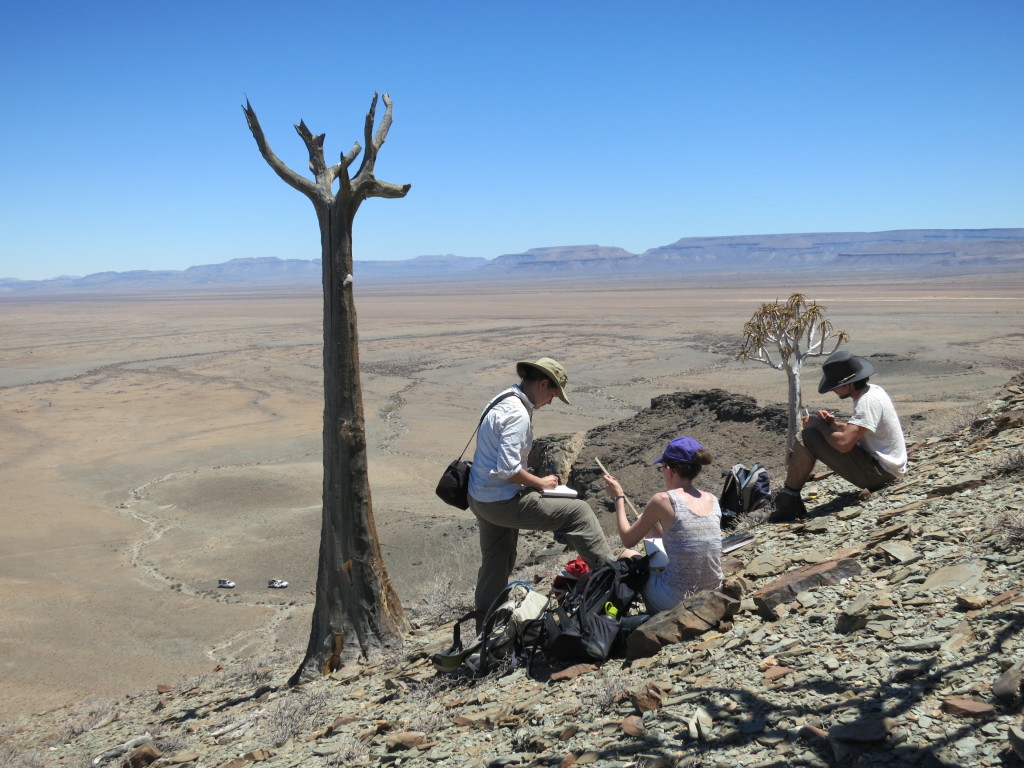
Scientists conducting field studies.
One of the most important stages in an Environmental and Social Impact Assessments (ESIA) is the baseline studies phase, during which data is collected to establish the current conditions of the proposed project area. The quality and comprehensiveness of these baseline studies are critical, as they provide the reference point against which the potential environmental and social impacts of the project will be measured.
Environmental and Social Aspects
The data collected during the baseline studies phase must encompass a wide range of environmental and social parameters to ensure that the potential impacts of the project are fully understood. These parameters typically include:
1. Physical Environment: This category includes data on air quality, water quality, sediments or soil composition, noise levels, and climate conditions. It is essential to collect baseline data on these aspects to evaluate potential pollution or resource depletion caused by the project.
This post elaborates further on these studies.
2. Biological Environment: Baseline studies must also address the ecological status of the area. Data on species composition, habitat types, and ecosystem functions should be gathered through field surveys to provide biodiversity inventories and understand the conservation state of the project site. These studies should be designed to capture both common and rare species that may be affected by the project. Particular attention must be paid to any protected or endangered species in the area, which could trigger more stringent environmental regulations.
This post provides a case example for an Ecological Baseline Assessment.
3. Social Environment: The social baseline data focuses on the human communities residing in or around the project area. This includes demographic data, land use patterns, health indicators, socio-economic conditions, and cultural heritage. Surveys, interviews, and participatory approaches can be employed to gather data on local livelihoods, public health, education, and access to essential services. It is essential to capture any social vulnerabilities that may be affected by the development and to ensure that local perspectives are considered. Additionally, understanding the cultural significance of the land and its resources is crucial for identifying potential conflicts or concerns.
Find more here: Social Impact Assessment
4. Cultural Heritage and Archaeological Sites: Identifying and recording any historical, archaeological, or culturally significant sites is vital during the baseline phase. Such data can be collected through field surveys, consultation with local communities, and collaboration with archaeologists or cultural experts. The data helps in assessing the potential for the project to impact these sites and determining mitigation strategies if necessary.
Coming soon: Heritage Impact Assessment
5. Human Health and Safety: Health data should be collected to establish a baseline for assessing potential risks posed by the project to local health conditions. This includes understanding the prevalence of diseases, access to healthcare facilities, and any existing environmental health issues. In some cases, local health surveys or public consultations are conducted to gauge the community’s concerns.
Methodology for Data Collection
The methodology employed for gathering baseline data must be systematic, reliable, and scientifically sound. Common methods of data collection during baseline studies include:
1. Field Surveys and Monitoring: These are the most direct methods of data collection, involving on-site measurements and observations. Field surveys can range from ecological surveys to water sampling, vegetation mapping, and soil testing. This approach provides real-time data on the environmental conditions of the area.
2. Remote Sensing and GIS: Satellite imagery and aerial photography are often used in ESIA baseline studies to map large areas, monitor land cover changes, and assess habitat types. Geographic Information Systems (GIS) enable spatial analysis of environmental conditions, helping to visualize patterns and trends over time.
3. Interviews and Surveys: Interviews with local stakeholders, including community members, local government representatives, and industry experts, provide valuable qualitative data. Public consultations and surveys offer insight into local perspectives, concerns, and knowledge about the area’s environmental and social conditions.
4. Review of Existing Data: In many cases, baseline data can also be derived from existing studies or reports, including government data, environmental monitoring programs, and previous assessments conducted in the area. This can help supplement primary data collection efforts and provide a broader context for the analysis.
Ensuring the Accuracy and Reliability of Baseline Data
To ensure that the baseline data is accurate, reliable, and relevant, several best practices must be followed:
- Comprehensive Site Assessment: The baseline studies should include a comprehensive review of the entire project area, considering the potential area of influence. This may extend beyond the immediate project site to account for any indirect or cumulative impacts.
- Seasonal and Temporal Variability: Environmental and social conditions can fluctuate over time, so baseline studies should be conducted over multiple seasons or during various times of the day to capture any temporal variations. For example, air quality or water flow may be significantly different during dry or wet seasons, noise levels from industry are often lower at night and during weekends, and biodiversity surveys may be influenced by seasonal migration patterns.
- Stakeholder Engagement: Engaging local communities, stakeholders, and experts throughout the data collection process ensures that the studies are comprehensive and consider diverse viewpoints. This collaborative approach helps identify potential gaps in the data and ensures the inclusion of crucial local knowledge.
- Quality Control and Assurance: Data quality control is essential to ensure the validity and precision of the collected information. Standardized data collection methods, proper calibration of equipment, and frequent verification of results are necessary to maintain high-quality data standards.
Conclusion
In the ESIA process, baseline studies are an indispensable step in understanding the existing environmental and social conditions of a proposed project area. These studies provide a clear, objective reference point for evaluating the potential impacts of a project, guiding the development of effective mitigation strategies.
 The Environment Consultant